

INVITED SPEAKERS
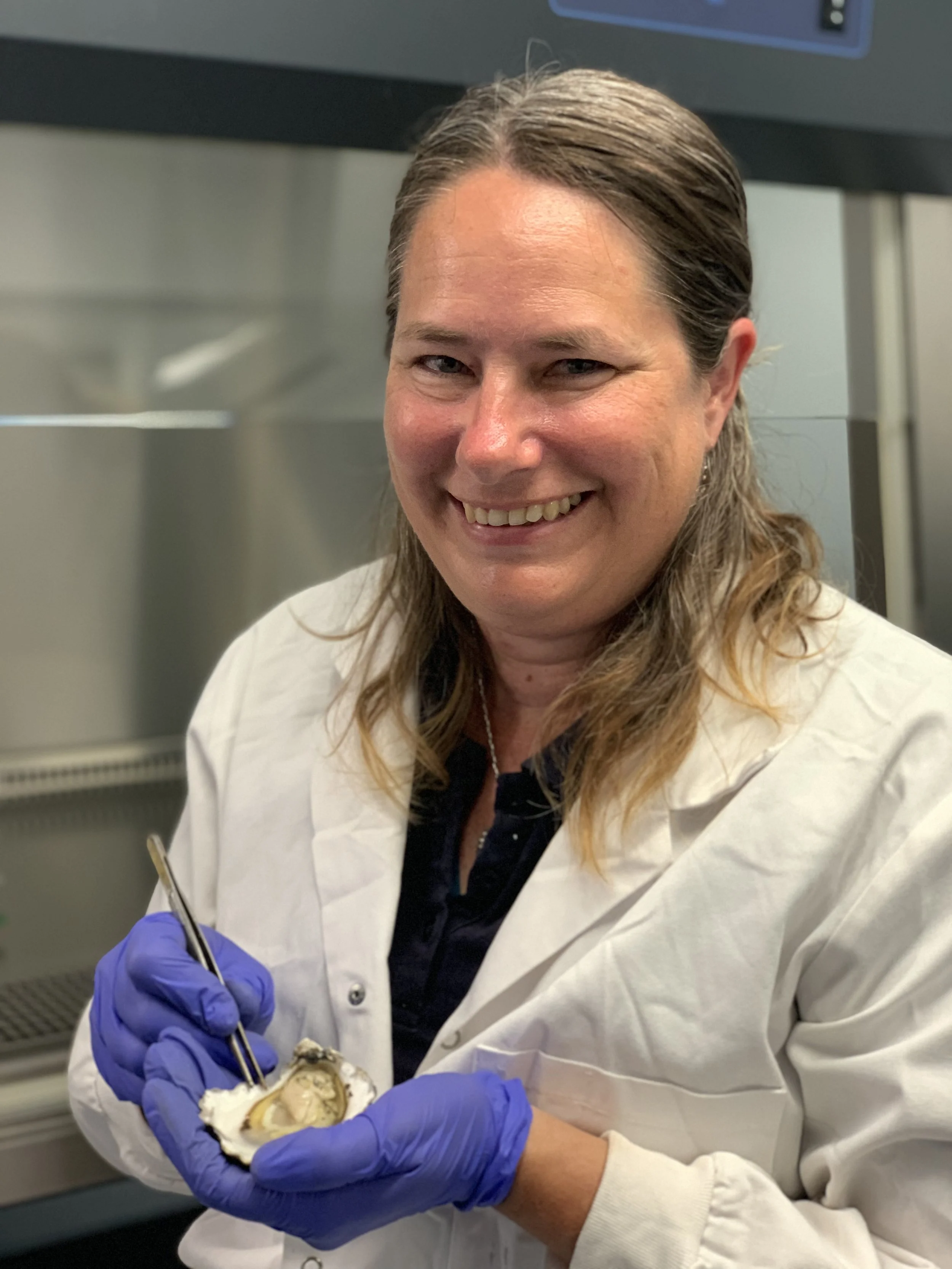
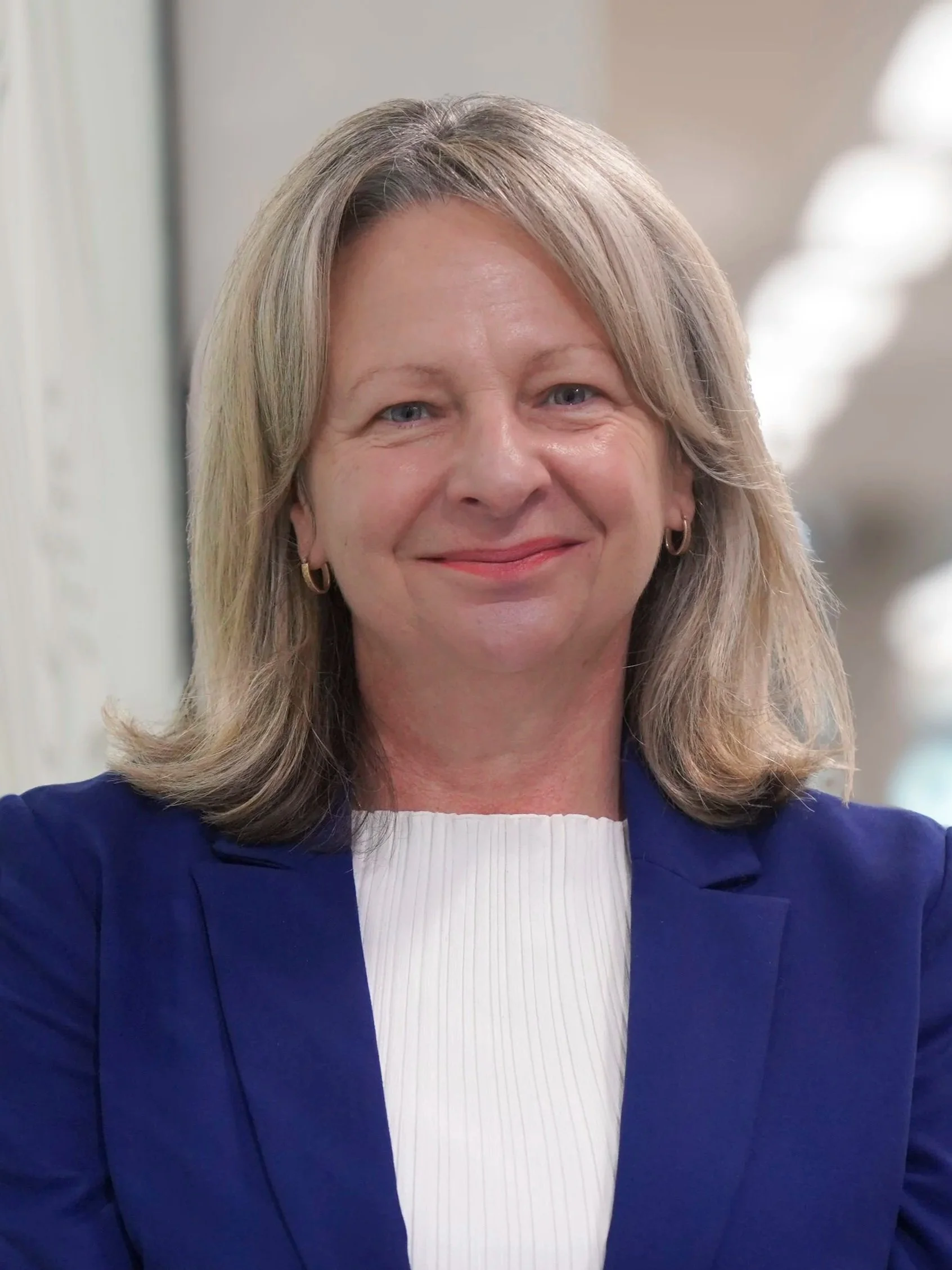
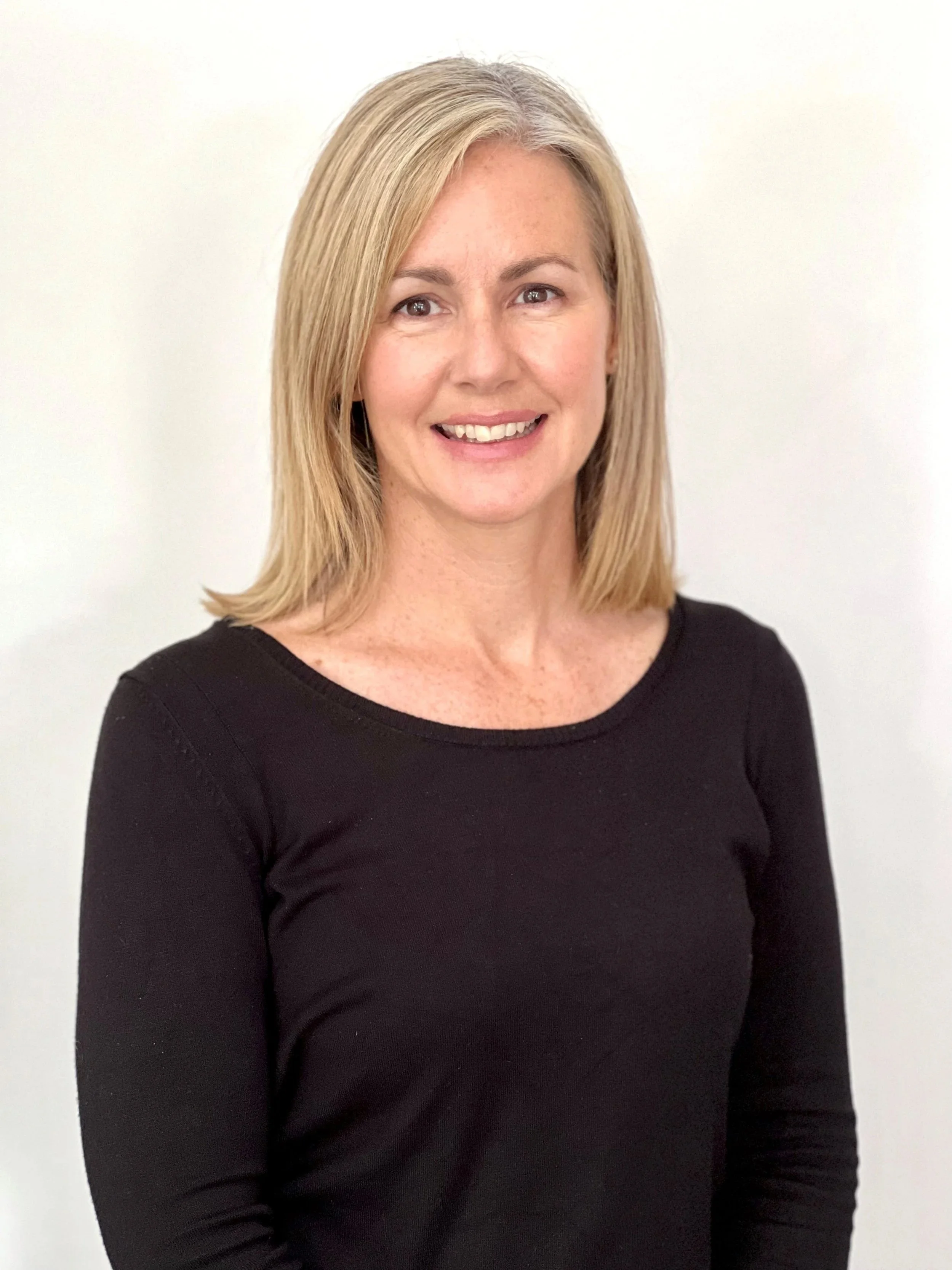
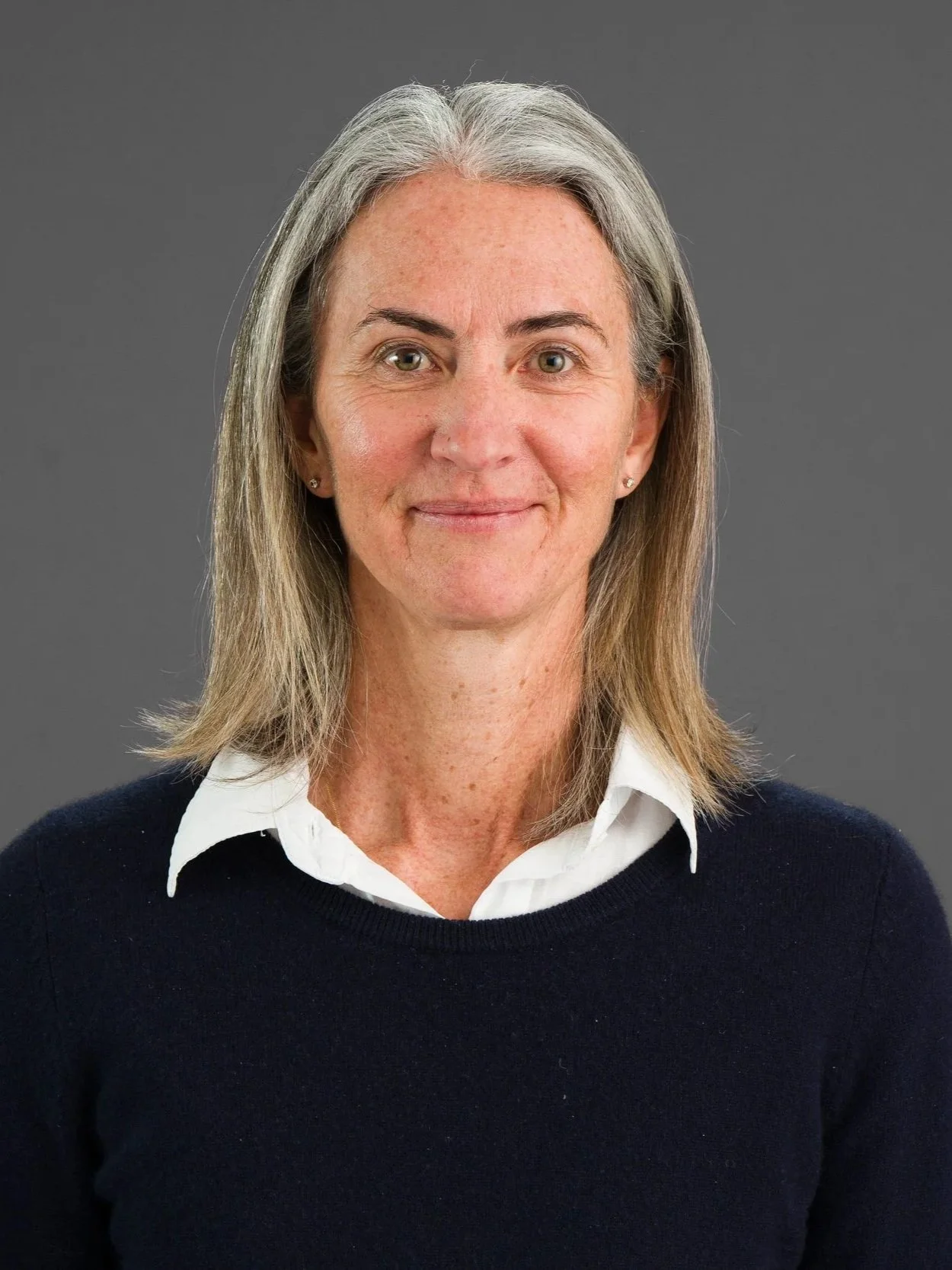
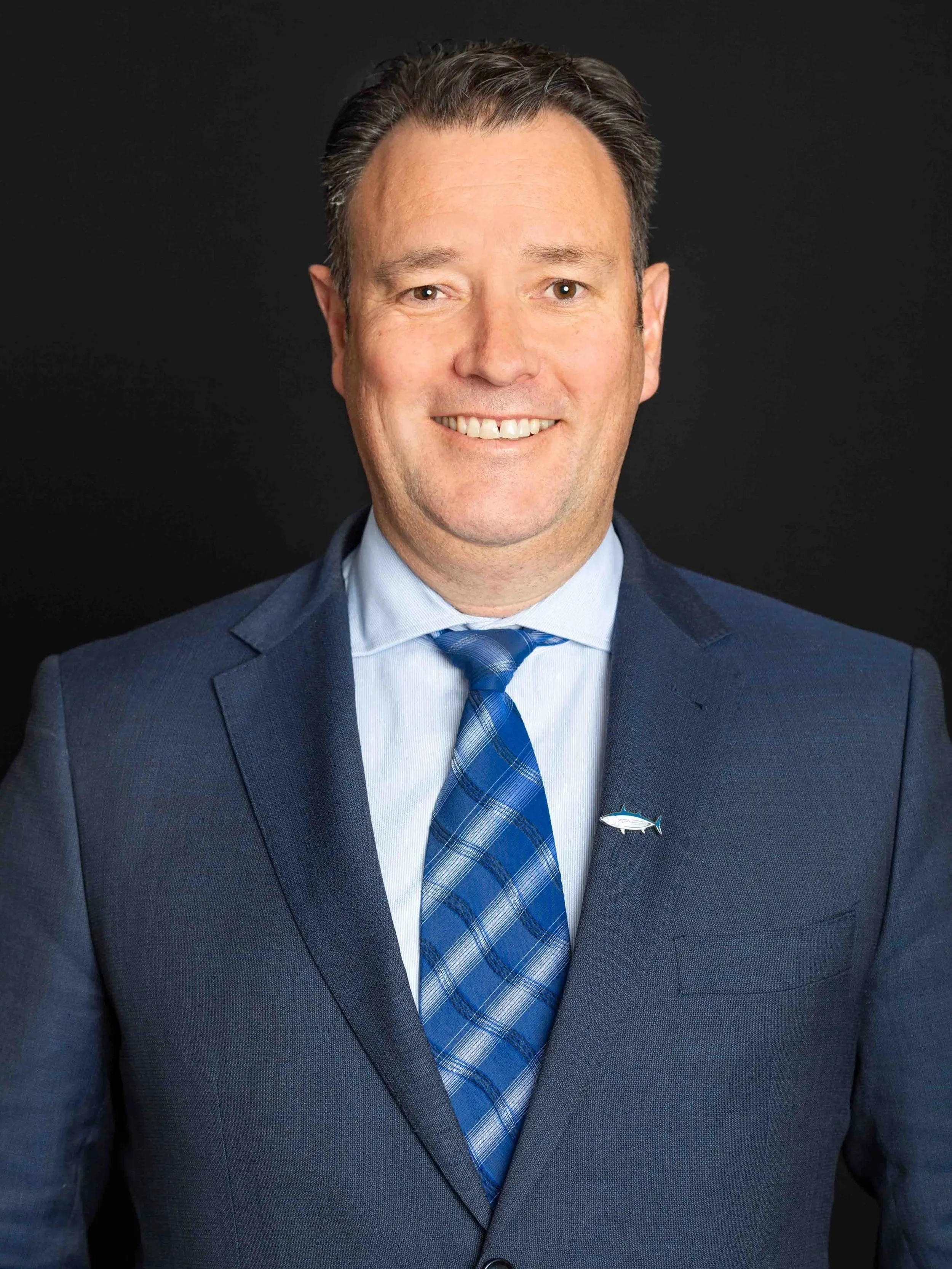
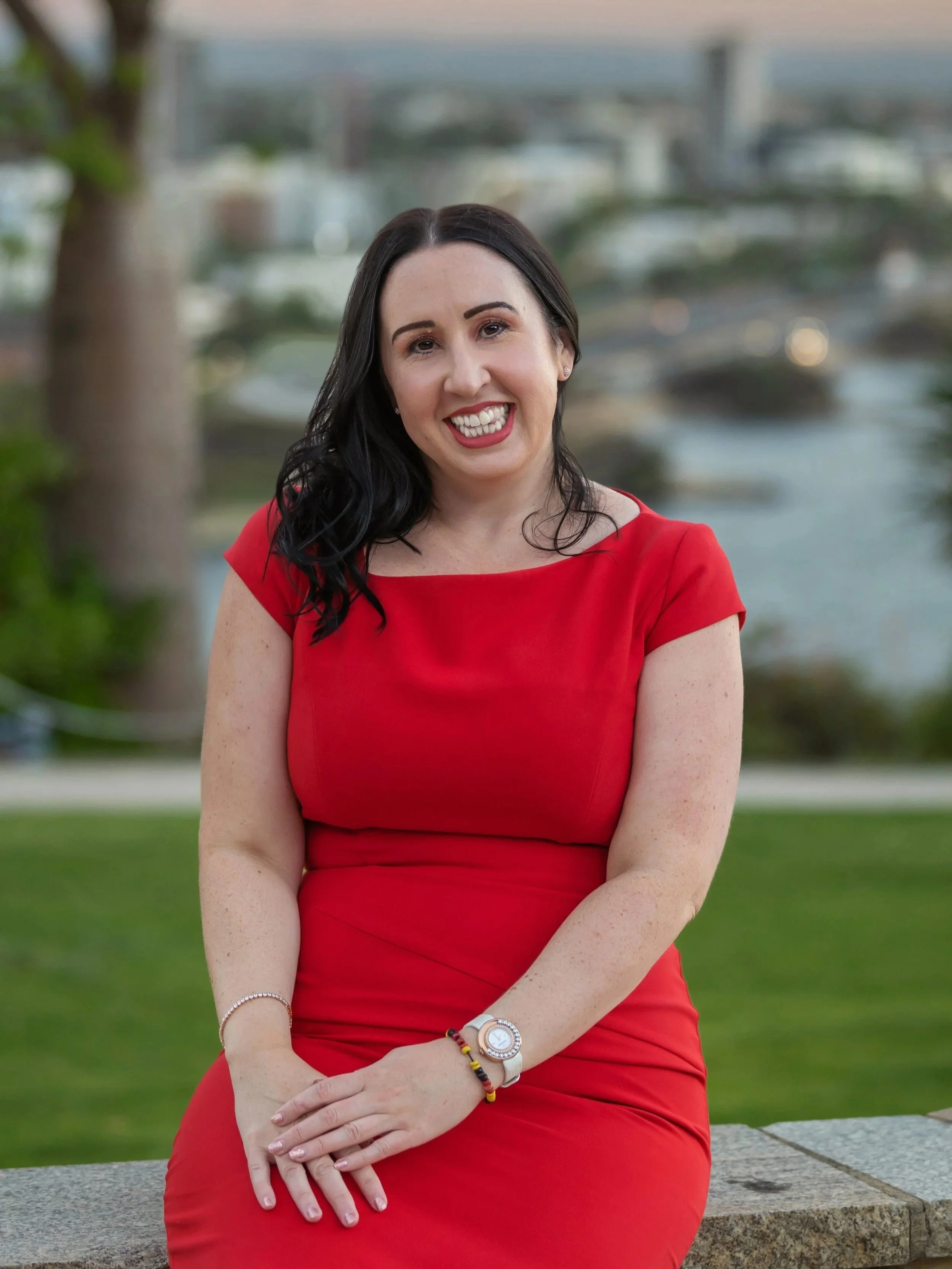
Prof Kirsten Benkendorff
Southern Cross University
Kirsten is a Professor of marine science, co-lead of the Catchments, Coasts and Communities research cluster and former Director of the National Marine Science Centre, Southern Cross University. She obtained her PhD from University of Wollongong and was named the 2000 Young Australian of the Year for Science and Technology. She received the 2011 Dorothy Hill Award from the Australian Academy of Science and was selected as a 2023/4 Superstar of STEM by Science and Technology Australia.
Kirsten leads a multi-disciplinary research team investigating the value and vulnerability of marine resources. She has published over 170 papers that span marine biodiversity and chemical diversity assessment, and the identification of anti-cancer, anti-inflammatory, anti-bacterial and anti-viral compounds from molluscs. She has made significant contributions towards assessing the impacts of ocean climate change and environmental contaminants on the health, nutritional quality and functional food properties of seafood species.
Kirsten loves mentoring students and has supervised 42 PhD, 8 Masters and 36 Honours students to date. She works in collaboration with industry, Government agencies, Traditional Owners and community partners to increase awareness and find solutions to environmental problems. Her current research informs water quality management, pesticide regulation and coastal monitoring, to help keep our marine ecosystems safe and healthy
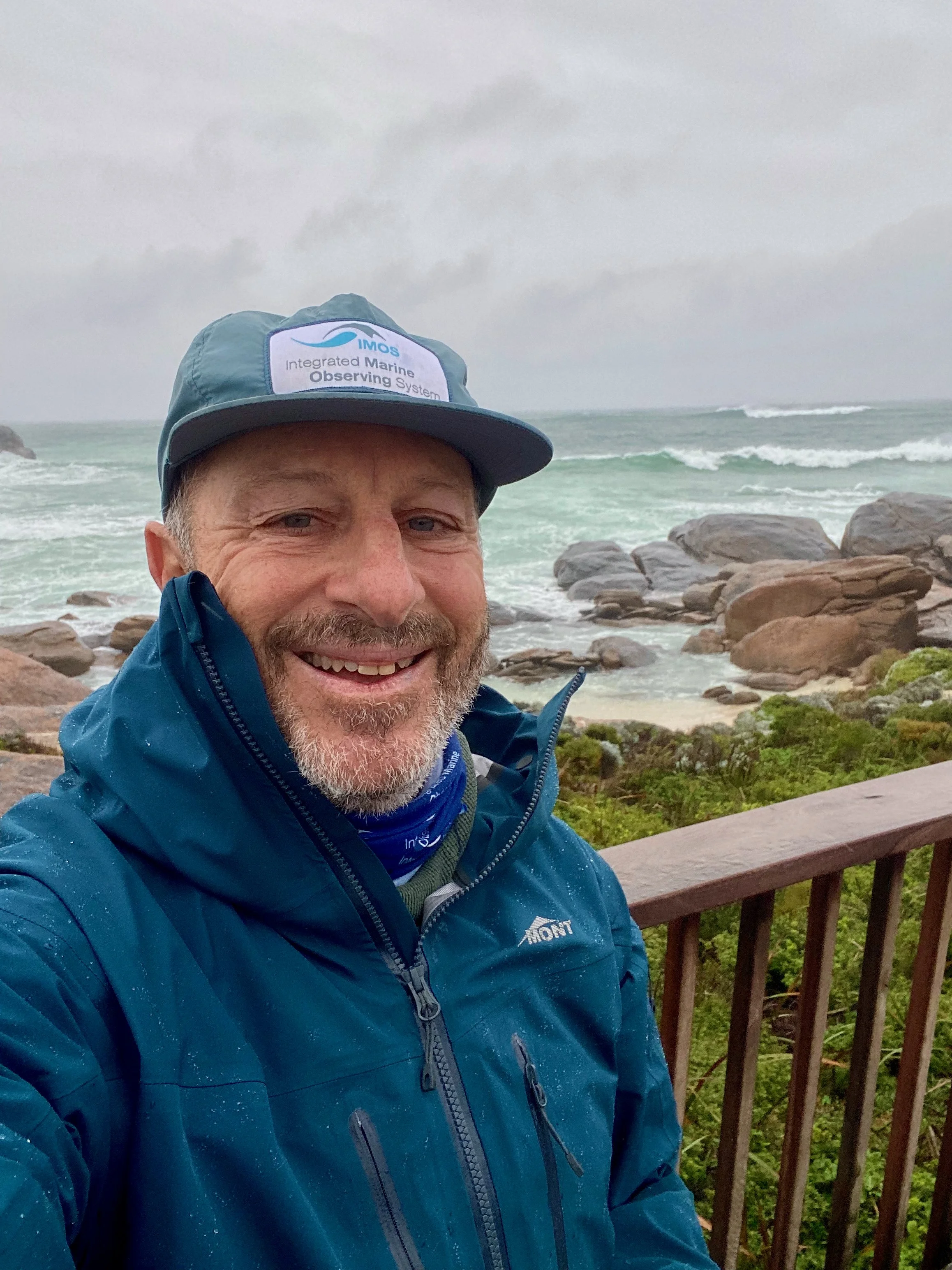
Emeritus Prof Robert Harcourt
Macquarie University
Rob formed the Marine Predator Research Group at Macquarie University in 1997. Rob is a pioneer in the use of technology to 'open a window' into the world of large marine predators. His were the first team to successfully deploy satellite transmitters on otariid seals and wintering Adelie penguins over thirty years ago. He instigated Australia’s Integrated Marine Observing System’s Animal Tracking Facility which he has led since its foundation in 2006.
With 335+ scientific publications and three books over a 40-year career, Rob’s interests have revolved around the importance of individual variation in behaviour to foraging, communication, mating tactics and life experience. Much of his research focused on individual differences and evolutionary mechanisms, combining observation and experimental manipulation of behaviour in the field, providing fascinating insights into what drives wild marine animals to do what they do.
Concurrently, he has dedicated much of his career to improving the welfare and conservation status of wild animals, sitting on expert panels, Animal Ethics committees, interdisciplinary panels and authoring more than 120 unpublished reports, and 20 expert submissions. This includes identifying, quantifying and working with decision makers to manage human impacts and mitigate their consequences for marine megafauna.
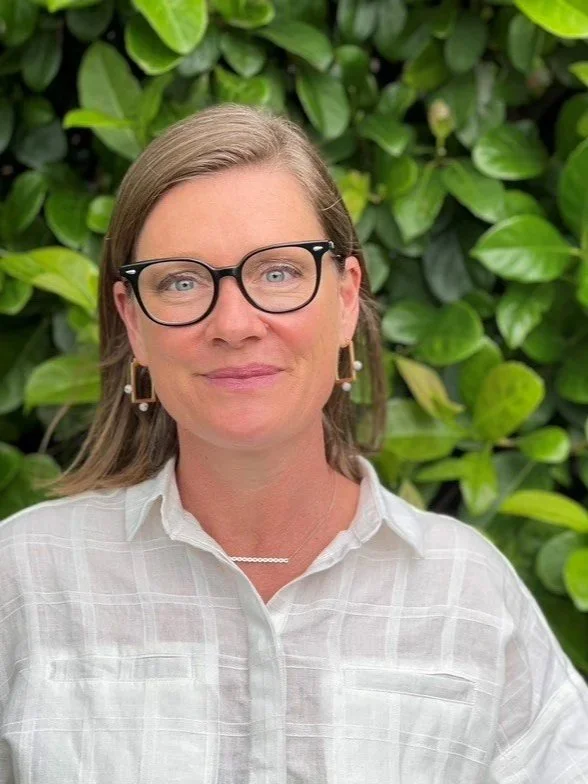
Kate Noble
WWF Australia
Kate Noble leads ocean conservation policy work at WWF-Australia and co-chairs WWF’s global High Seas Treaty task force. WWF is the world’s largest independent conservation organisation, with offices on six continents and in nearly 100 countries, working to build a future in which people live in harmony with nature.
Kate has worked across a range of environmental and social policy issues for more than 25 years, from grassroots advocacy to multilateral diplomacy. Over this period, she has worked in more than 20 countries across Europe, Africa, the Middle East and Asia.
Prior to joining WWF, Kate led the governance and human rights portfolio at BBC Media Action, the international development arm of the BBC, working to advance media independence and public service broadcasting around the world. Over the past decade in Australia, she has worked as a political adviser and in academia, as well as leading WWF-Australia’s No Plastic in Nature policy program.
Kate holds a master of international relations and a bachelor of journalism, and is currently studying a master of maritime policy. Born and raised between the mountains and the ocean in south-eastern Australia, her motivation is grounded in a desire to protect and preserve healthy ecosystems and biodiversity for many generations to come.
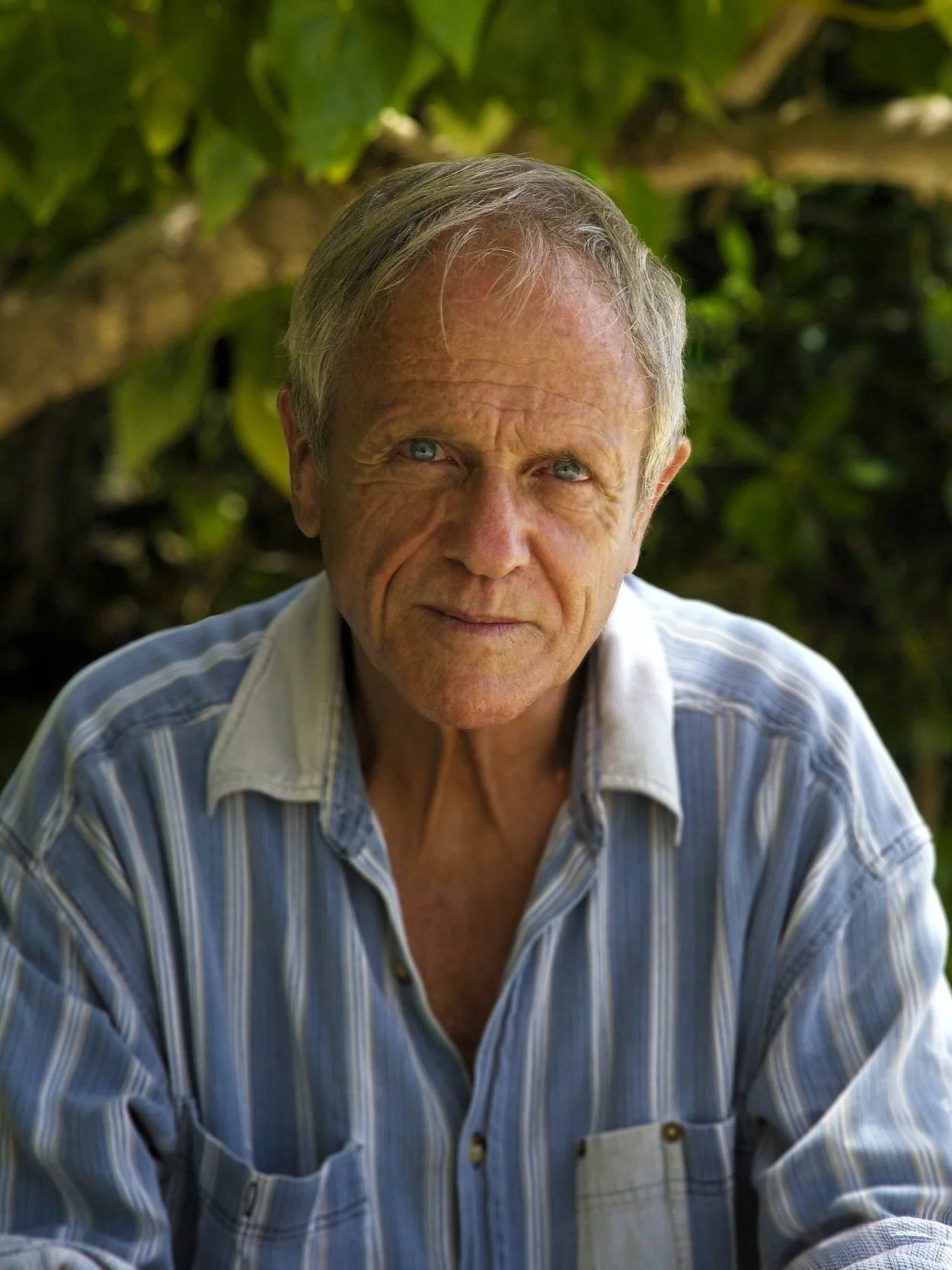
Prof Charlie Veron
Corals of the World
Charlie was the first full-time scientist to work on the Great Barrier Reef and the inaugural scientist employed by the Australian Institute of Marine Science (AIMS). He was appointed Chief Scientist of AIMS in 1997, a role he held for seven years. In 2007, he left AIMS to focus more broadly on corals, climate change, and reef conservation. He has been interviewed more than 300 times and has played a central role in 34 documentary and media productions, including Australian Story (ABC, 2021), The Reef (HBO, 2020), The Magnitude of All Things (2020), and Chasing Coral (2017). His publication record includes approximately 100 scientific outputs, comprising 16 books and monographs spanning coral palaeontology, taxonomy, biogeography, physiology, and molecular science.
Beyond coral biology, he has published extensively on evolution and mass extinctions and is the founder of the globally recognised reference resource www.coralsoftheworld.org launched in 2016 and updated in 2026). Among his most influential works are his memoir A Life Underwater (Penguin, 2017) and Corals of Australia and the Indo-Pacific (1993).
Most recently, this lifetime of research culminated in the Review of Coral Taxonomy, Evolution and Diversity (2025), in which Charlie synthesises decades of global work to articulate his understanding of coral systematics and evolutionary history, informed by a career spanning field observation, taxonomy and theory.
Wally Stewart
Sea Country Management as Self-Determination
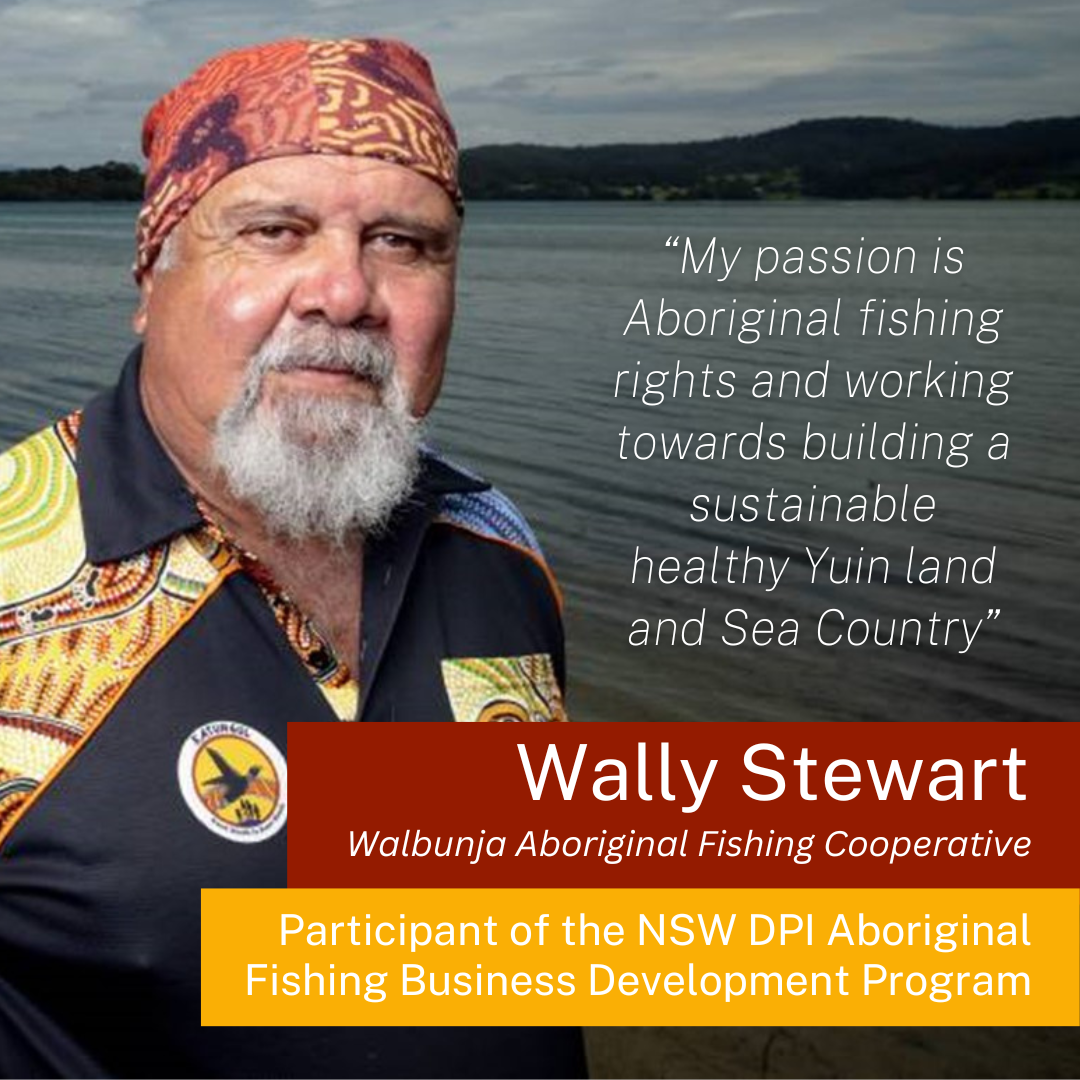
Wally is a Walbunja man from the Yuin nation on the far south coast of NSW. Wally is also an applicant for the south coast native title claim and a member of NSW Aboriginal Fishing Rights Group. Wally is employed as an Operations Manager with Joonga Land and Water Aboriginal Corporation, working across research, tourism, training, and politics.
Wally’s previous roles include as a NPWS Senior Field Supervisor in Byron Bay on the north coast of NSW, a member of the north coast whale disentanglement team and Incident Controller for Marine Mammal Standings, and as the Aboriginal Liaison Officer for NSW Marine Parks and Batemans Marine Park. Wally also volunteers his time working closely with AIASTSIS, Wollongong Uni (Blue Economy) and Oxfam Australia to build a foundation for economic development for his community. Wally’s passion is Aboriginal Fishing Rights, and he is working with his south coast Aboriginal communities to design a Sea Country Plan, and build a sustainable Aboriginal Fishing Business for the south coast communities. Wally believes if you have healthy land and Sea, you will have healthy Yuin people.
A/Prof Tillmann Boehme
Sea Country Management as Self-Determination
Dr Tillmann Böhme is an Associate Professor at the University of Wollongong whose work focuses on supply chains, sustainability, and community-led development. He has worked alongside Aboriginal communities across the NSW South Coast to support Sea Country governance, Indigenous enterprise development, workforce pathways, and blue economy initiatives. Combining academic research with practical consulting, Tillmann works with communities, industry, and government to translate Indigenous aspirations into tangible environmental, social, and economic outcomes.
Danny Chapman
Sea Country Management as Self-Determination
Danny Chapman is a saltwater man from Walbunga of the Yuin nation on the South Coast of NSW. A big part of Danny’s education learnt from his elders how to fish from the sea and estuaries. Danny spent a lot of time lobbying the NSW Government on legislation that would protect Aboriginal fishing rights and was the Chairperson of the Aboriginal Fishing Advisory Council. Danny has also served as the Chairperson of the NSW Aboriginal Land Council and Manager of the NSW Native Title Services. He has also served in the NSW Governments Department Aboriginal Affairs along with time in private enterprises. Danny is married to a Fisherman’s daughter with two sons, three grandsons and one great-granddaughter, and he still lives on the South Coast.
Dora Bowles
Sea Country Management as Self-Determination Chair
Dora Bowles is a Wiradjuri woman who grew up on Dharawal Country in the Illawarra. She is currently undertaking her PhD on Sea Country and economic development at the University of Wollongong. She began working on Sea Country research during her employment at AIATSIS and has been collaborating with Yuin community members since 2021.
Melissa Harris PSM
CEO, Geoscience Australia
Melissa Harris PSM is the Chief Executive Officer of Geoscience Australia, our national geoscience agency delivering trusted information and services that support a strong economy, resilient society and sustainable environment. Geoscience Australia’s activities are extensive and include the 35-year Resourcing Australia’s Prosperity initiative, delivering geoscience and data that will accelerate the responsible use of the critical minerals and strategic materials vital to our future and the transition to net zero. It also includes the $400 million partnership with the United States on Earth observation through the Landsat Next program, as well as the provision of satellite positioning through the Positioning Australia initiative. Melissa is an experienced chief executive who has worked in government for over 30 years leading change and innovation programs in land administration and planning.
Dr Christine Lamont
Director, Biodiversity and Conservation Science at DBCA
Dr Christine Lamont is the Executive Director of Biodiversity and Conservation Science at DBCA, a role she began early in 2026. Christine is an experienced marine and coastal ecologist, specialising in seabirds and shorebirds, with diverse experience across Government regulation and estate management, energy industry development and marine research roles both internationally and in Australia.
Christine completed undergraduate studies in zoology and botany at the University of Western Australia before directing her focus to seabirds and completing her honours and PhD at Murdoch University in Conservation Ecology. She took on a range of roles over many years that allowed her to travel, work on offshore islands and gain experience across a range of sectors. Christine has led large environmental impact assessment and environmental monitoring projects throughout Western Australia for most of the large offshore energy developments, onshore mining operations and more recently supported regulatory approval strategy work and marine baseline study delivery in Victoria for the emerging offshore wind industry. Christine was the inaugural Chief Environmental Scientist at Australia’s offshore energy regulator NOPSEMA where she supported assessment and compliance functions, provided scientific advice across the agency, managed the NOPSEMA EPBC Program, supported policy development and legislative review processes.
Katrina Maguire
Australian Government Department of Climate Change, Energy, Environment and Water
Katrina Maguire is the Head of the International Environment, Reef and Ocean Division within the Australian Government Department of Climate Change, Energy, Environment and Water. In this role, Katrina leads a team responsible for advancing Australia’s international environmental interests through multilateral and regional agreements and partnerships. Her division plays a critical role in shaping policy and regulatory frameworks for the trade in endangered species, as well as developing and implementing strategic policy for the protection and sustainable management of the Great Barrier Reef and Australia’s vast ocean territories.
With over thirty years of experience in the Australian Public Service, Katrina brings a wealth of expertise across a broad range of environmental and resource management areas. Her career has spanned policy development, regulatory design, international negotiations, strategic communications, and stakeholder engagement. She has contributed to major national and international initiatives in climate change, energy transition, water reform, and fisheries management, consistently demonstrating a commitment to evidence-based policy and collaborative governance.
Wez Norris
CEO and Commissioner of the Australian Fisheries Management Authority
Wez is a career fisheries professional, with over 25 years’ experience working in numerous fisheries from small scale hand collectibles to prawn trawl and industrial tuna fisheries. He was recently appointed for his second term as the Chief Executive Officer and Commissioner of the Australian Fisheries Management Authority, a role that he has filled since 2019. Prior to taking up the CEO role, Wez worked in Queensland and in the Pacific, where he spent 5 years as the Deputy Director-General at the Pacific Islands Forum Fisheries Agency, in the Solomon Islands. Wez’ focus is on organisational leadership of AFMA to ensure that Commonwealth fisheries management is fit-for-purpose in the changing marine and geopolitical environment to ensure the correct balance between sustainability and economic returns to the Australian community. Wez has a Bachelor of Applied Science in Natural Systems and Wildlife Management from the University of Queensland.
A/Prof Mandy Downing
Dean in the Faculty of Humanities at Curtin University
Associate Professor Mandy Downing has maternal lineage to the Ngarluma and Yindjibarndi people through the Lockyer family. Mandy is an applied scientist in Indigenous Australian Research, and the first Aboriginal person to be appointed as a Dean in the Faculty of Humanities at Curtin University where she is the Dean of Indigenous Futures. Additionally, Mandy is the Co-Chair of the Australian Institute of Aboriginal and Torres Strait Islander Studies National Research Ethics Committee and the Senior Indigenous Facilitator for the Australian National Environmental Science Program’s Sustainable Communities and Waste Research Hub. Her research relates to institutional racism, and she is a Co-Editor of the Routledge Handbook of Human Research Ethics and Integrity in Australia. Mandy in 2023 was inducted into the WA Women’s Hall of Fame for her contributions of over 20 years to education.